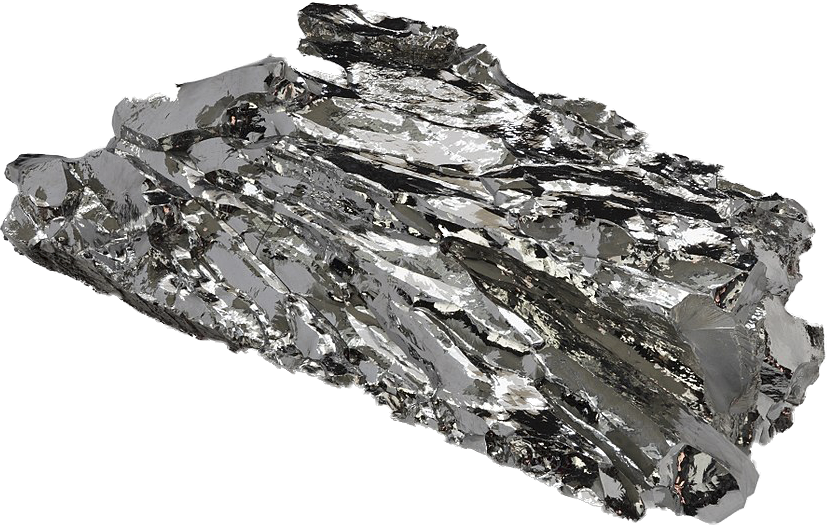
Tungsten (W) is a dense, silver-white metal renowned for having the highest melting point and exceptional tensile strength, making it crucial for tungsten carbide cutting tools.
History
Professor Axel Fredrik Cronstedt in Uppsala received heavy stones from all around Sweden. Heavy stone in Swedish is called “Tung-Sten”. In 1781, Carl Wilhelm Scheele managed to extract a still “unknown earth” from a heavy stone from the Bispberg iron mine, named Bispberg Tungsten. He called this new compound tungstic acid, and he is considered the discoverer of tungsten oxide. In recognition of his discovery, the other important mineral for tungsten production (besides wolframite) is called scheelite. In 1847, a patent was granted to the engineer Robert Oxland (1820–1899). This included the preparation of sodium tungstate, formation of tungstic acid, and the reduction to the metallic form by oil, tar or charcoal.
Element
| Atomic number | 74 |
| Atomic mass | 183.84 |
| Melting point |  |
| Boiling point | |
| Density | |
Used
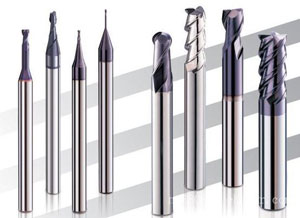
Tungsten is widely used in all kinds of steel production, common tungsten steel are high-speed steel, tungsten steel, and tungsten cobalt magnetic steel, the steel is mainly used in the manufacture of various tools such as drills, milling cutter, wire drawing die, die and mold, etc.
Leave a Reply